Adoption and Usage Across Global Militaries
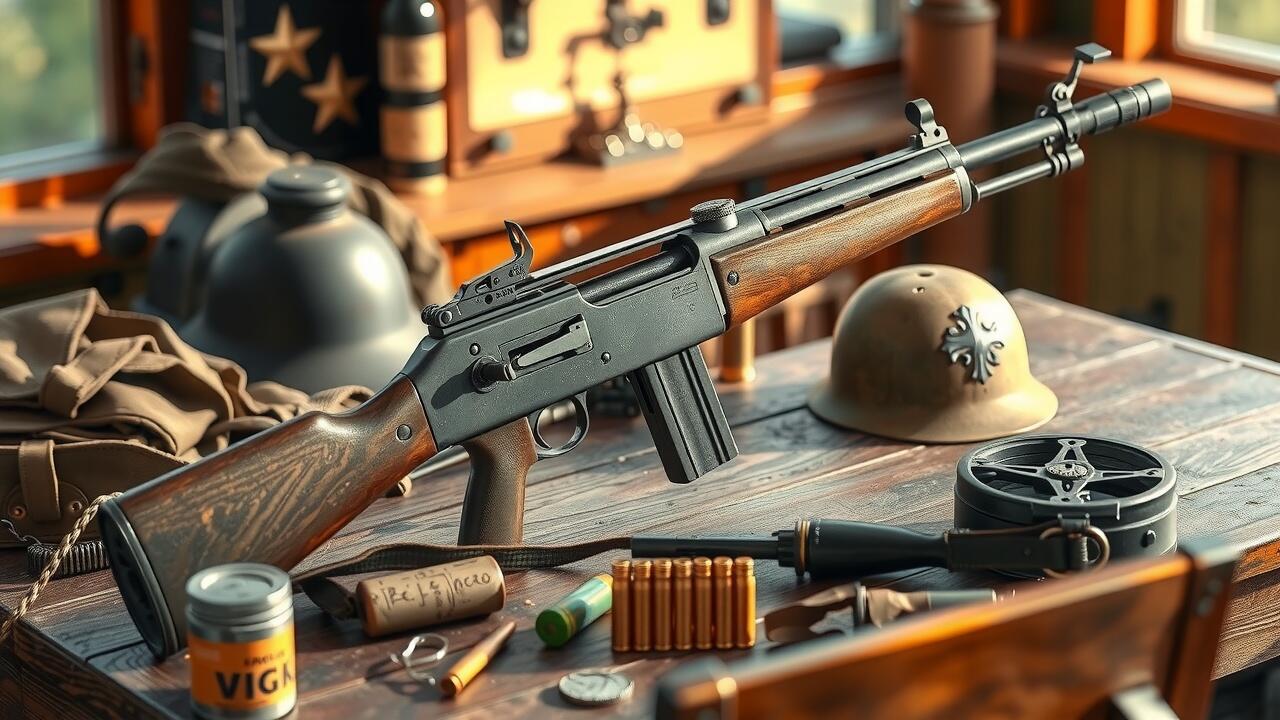
The Châtellerault FM 1924/29 gained prominence for its innovative design and effective firepower. Several nations adopted this light machine gun during and after its introduction. France initially fielded the FM 1924/29, recognizing its potential on the battlefield. Subsequently, nations like Belgium, Brazil, and Greece also integrated the weapon into their military arsenals. Its ability to provide suppressive fire while remaining lightweight made it appealing to various armed forces.
Beyond its initial adopters, the FM 1924/29 influenced military strategies worldwide. Countries utilizing this weapon often emphasized the importance of machine gun units in infantry tactics. Its deployment showcased how light machine guns could enhance mobility and fire support without the logistical burden of heavier artillery. As a result, the FM 1924/29 became a reference point for subsequent designs in light machine guns, shaping doctrines that prioritized rapid-fire weaponry.
Countries That Featured the FM 1924/29
The Châtellerault FM 1924/29 light machine gun saw extensive use beyond its country of origin, France. Various nations adopted this weapon during the interwar period and into World War II due to its reliability and effective design. Belgium was among the early adopters, integrating the FM 1924/29 into its military forces. Other countries, such as Spain and Finland, also utilized the light machine gun during significant conflicts, often recognizing its capabilities in both offensive and defensive operations.
In addition to European nations, the FM 1924/29 found a place in the arsenals of some South American countries. Its lightweight nature and versatility made it suitable for various combat scenarios, appealing to militaries seeking to modernize their infantry equipment. Countries like Brazil and Argentina incorporated the FM 1924/29 into their inventory, contributing to regional military engagements and strategies. The weapon's adoption across different continents illustrates its broad appeal and enduring legacy in ground warfare.
Technological Innovations in Light Machine Guns
The development of light machine guns has significantly shifted the dynamics of battlefield engagements, emphasizing mobility and firepower. Innovations have primarily focused on weight reduction, ease of handling, and enhanced reliability under various operational conditions. Early models often suffered from issues such as jamming and overheating. The introduction of gas-operated systems and advanced cooling mechanisms improved overall performance.
Additionally, the integration of various materials and manufacturing techniques has allowed for lighter yet durable components, making these weapons easier to transport without sacrificing effectiveness. The evolution in ammunition types further contributed to the versatility and lethality of light machine guns. Progress in magazine design, including box and drum configurations, has also enhanced feeding reliability and ammunition capacity, catering to the tactical needs of modern warfare.
Key Developments Influenced by the FM 1924/29
The FM 1924/29 introduced significant innovations in light machine gun design that set benchmarks for subsequent models. Its gas-operated system and selective fire capability allowed for both automatic and semi-automatic firing modes. This versatility improved adaptability in various combat situations, which many later models emulated. Additionally, the innovative magazine design minimized jamming issues, enhancing reliability during operations across diverse environmental conditions.
Another notable impact of the FM 1924/29 was its ergonomic features, which made it more manageable for infantry units. The introduction of a lighter configuration compared to previous models facilitated greater mobility and ease of use. Many militaries adopted these design principles, leading to the development of more compact light machine guns. This evolution reflected a broader trend toward integrating advanced engineering with practical battlefield requirements, establishing a foundation that would influence future firearm designs.
Maintenance and Care for Light Machine Guns
Proper maintenance is crucial for ensuring the reliability and longevity of light machine guns. Regular cleaning is essential to remove dirt, dust, and residue that can build up from usage. Operators should inspect the weapon for any signs of wear or damage, focusing on the barrel, action, and feed mechanism. Lubrication should be performed according to manufacturer specifications. This prevents rust and ensures smooth operation, enhancing performance during engagements.
It is also important to adhere to recommended storage practices. Keeping light machine guns in a climate-controlled environment can prevent moisture-related damage. Proper training on disassembly and reassembly aids in the maintenance process, allowing operators to address minor issues before they escalate. Logging maintenance activities helps track the condition of the weapon over time, facilitating better care and planning for repairs or parts replacement.
Best Practices for Longevity and Performance
Proper cleaning and maintenance are crucial for maximizing the lifespan and performance of light machine guns. Regular disassembly after use allows for thorough inspection and cleaning of components, ensuring any residue or dirt is removed. Utilizing the correct oils and lubricants is essential; excessive lubrication can attract debris while insufficient lubrication can lead to wear and malfunction. Each component should be examined for signs of wear, and replacements should be made promptly to prevent further damage.
Routine checks on the weapon's settings and functionality will help identify potential issues before they escalate. Storing light machine guns in a dry and secure location protects them from moisture and unauthorized access. Operators should also familiarize themselves with the manufacturer’s guidelines for both operation and maintenance practices, ensuring the weapon remains reliable under different conditions. This careful attention to detail not only enhances the machine gun's efficiency but also supports the safety of its users in the field.
FAQS
What is the significance of the Châtellerault FM 1924/29 in military history?
The Châtellerault FM 1924/29 is recognized for its innovative design and impact on light machine gun development, influencing various militaries and setting a standard for future firearm designs.
Which countries adopted the FM 1924/29 for their military forces?
The FM 1924/29 was primarily used by France and several other nations during the interwar period and World War II, showcasing its versatility and effectiveness in various combat situations.
What technological innovations were introduced with the FM 1924/29?
The FM 1924/29 featured several advancements such as a quick-change barrel system, lighter weight construction, and improved feeding mechanisms, which enhanced its reliability and operational efficiency.
How does the FM 1924/29 compare to other light machine guns of its time?
Compared to its contemporaries, the FM 1924/29 was notable for its combination of portability and firepower, making it a favored choice among infantry units in various conflicts.
What are the best practices for maintaining a light machine gun like the FM 1924/29?
Regular cleaning, proper lubrication, inspecting for wear and tear, and adhering to manufacturer guidelines are essential for ensuring the longevity and optimal performance of light machine guns.